

Artificial Intelligence: Opportunities, Challenges, and Risks
Artificial Intelligence opportunities challenges and risks are becoming major topics as AI continues transforming global industries, business operations, and technological innovation.
Introduction
Artificial Intelligence Opportunities Challenges and Risks Explained
Artificial Intelligence (AI) has moved beyond science fiction and academic research to become one of the most influential technologies shaping the modern world. From healthcare and finance to education, transportation, and digital media, AI systems are transforming how decisions are made, how services are delivered, and how value is created. Governments, businesses, and individuals increasingly rely on AI-driven tools to improve efficiency, reduce costs, and gain competitive advantages.
Despite its vast potential, artificial intelligence also raises serious concerns. Ethical dilemmas, job displacement, data privacy issues, algorithmic bias, and security risks have become central topics in global discussions. As AI systems grow more autonomous and powerful, understanding both their benefits and limitations is essential.
This article provides a comprehensive and balanced exploration of Artificial Intelligence: its opportunities, challenges, and risks. It is designed to help policymakers, business leaders, developers, educators, and the general public understand how AI can be leveraged responsibly while minimizing its negative consequences.
Artificial Intelligence opportunities challenges and risks continue shaping digital transformation and future technological development worldwide.
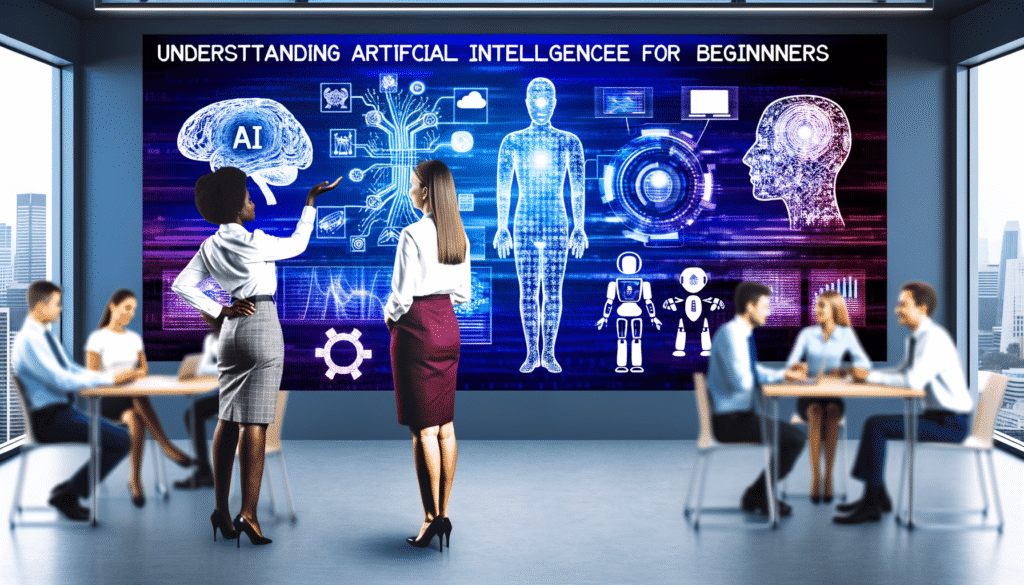
Understanding Artificial Intelligence
Artificial Intelligence refers to computer systems designed to perform tasks that typically require human intelligence. These tasks include learning from data, recognizing patterns, understanding natural language, making decisions, and solving complex problems. AI systems can be broadly categorized into narrow AI, which is designed for specific tasks, and general AI, which aims to replicate human-level intelligence across multiple domains.
Most AI systems in use today fall under narrow AI. Examples include recommendation engines, speech recognition systems, image classification tools, and automated customer support chatbots. These systems rely heavily on machine learning algorithms, particularly deep learning, which allows models to improve performance through exposure to large datasets.
As AI continues to evolve, its integration into everyday life is becoming more seamless and less visible, making it even more important to understand its broader implications.
https://www.ibm.com/topics/artificial-intelligence
Opportunities of Artificial Intelligence
Economic Growth and Productivity
One of the most significant opportunities presented by artificial intelligence is its potential to drive economic growth. AI enables automation of repetitive and time-consuming tasks, allowing organizations to operate more efficiently. Industries such as manufacturing, logistics, and finance use AI-powered systems to optimize workflows, reduce errors, and increase output.
By improving productivity, AI can contribute to higher economic output and create new markets. Entirely new job categories are emerging, including AI engineering, data science, model auditing, and AI ethics consulting. While some traditional roles may decline, AI also creates opportunities for workforce transformation and upskilling.
Artificial Intelligence opportunities challenges and risks continue shaping digital transformation and future technological development worldwide.
Innovation Across Industries
Artificial intelligence acts as a catalyst for innovation. In healthcare, AI assists in disease diagnosis, drug discovery, personalized treatment plans, and medical imaging analysis. In agriculture, AI-powered tools help farmers monitor crops, predict yields, and optimize resource usage.
In education, AI supports personalized learning by adapting content to individual student needs. Financial institutions use AI to detect fraud, assess credit risk, and improve customer experiences. These innovations not only improve service quality but also expand access to essential services in underserved regions.
Improved Decision-Making
AI systems excel at analyzing large volumes of data far beyond human capacity. This capability allows organizations to make more informed and data-driven decisions. Predictive analytics powered by AI helps businesses forecast demand, manage risks, and identify emerging trends.
In public policy and urban planning, AI can support evidence-based decision-making by analyzing demographic data, traffic patterns, and environmental indicators. When used responsibly, AI enhances human judgment rather than replacing it.
Enhanced Accessibility and Inclusion
Artificial intelligence has the potential to improve accessibility for people with disabilities. Speech-to-text systems assist individuals with hearing impairments, while computer vision technologies help visually impaired users navigate digital and physical environments.
Language translation tools powered by AI reduce communication barriers and promote global collaboration. These applications demonstrate how AI can foster inclusion when designed with diverse users in mind.
Challenges of Artificial Intelligence
Ethical and Moral Concerns
One of the most pressing challenges of artificial intelligence is ethics. AI systems often make decisions that directly affect human lives, such as loan approvals, hiring processes, medical diagnoses, and law enforcement activities. If these systems are not carefully designed, they may reinforce existing social inequalities.
Bias in AI systems often originates from biased training data or flawed design choices. Ensuring fairness, transparency, and accountability in AI decision-making remains a complex challenge that requires interdisciplinary collaboration.
Workforce Disruption
Automation driven by AI threatens to displace certain categories of jobs, particularly those involving routine and repetitive tasks. While AI creates new opportunities, the transition may be difficult for workers without access to reskilling and education programs.
Governments and organizations face the challenge of managing this transition responsibly. Investment in education, digital literacy, and lifelong learning is essential to ensure that AI-driven economic growth benefits society as a whole.
Artificial Intelligence opportunities challenges and risks continue shaping digital transformation and future technological development worldwide.
Technical Complexity and Reliability
Developing and maintaining AI systems is technically complex. High-quality data, computational resources, and skilled professionals are required to build reliable models. Errors in AI systems can have serious consequences, especially in critical domains such as healthcare, transportation, and defense.
Additionally, many AI models operate as “black boxes,” making it difficult to understand how they arrive at specific decisions. This lack of explainability complicates accountability and trust.
Regulatory and Legal Challenges
AI technology often advances faster than regulatory frameworks. Policymakers struggle to keep pace with rapid innovation, leading to regulatory gaps. Questions around liability, intellectual property, data ownership, and accountability remain unresolved in many jurisdictions.
Developing effective and flexible regulations that encourage innovation while protecting public interests is one of the most significant challenges facing governments worldwide.
Artificial Intelligence opportunities challenges and risks continue shaping digital transformation and future technological development worldwide.
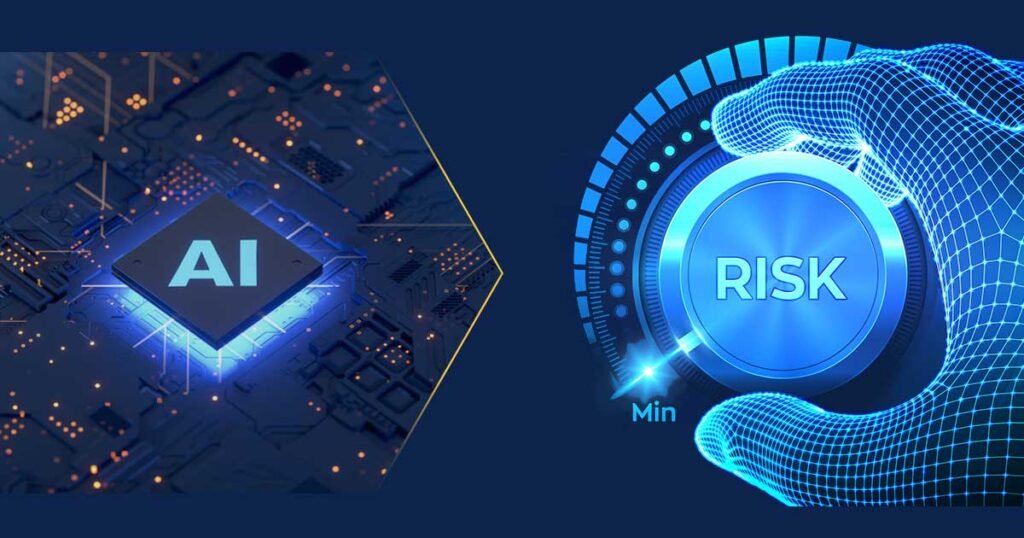
Risks of Artificial Intelligence
Data Privacy and Surveillance
AI systems rely heavily on data, much of which is personal and sensitive. Improper data collection, storage, or usage can lead to privacy violations. Surveillance technologies powered by AI raise concerns about civil liberties, particularly when used without transparency or oversight.
The misuse of facial recognition and behavioral analysis tools highlights the need for strong data protection laws and ethical guidelines.
Read our detailed guide about Artificial Intelligence in Coding and Website Development
Security Threats and Misuse
Artificial intelligence can be weaponized for malicious purposes. Cybercriminals use AI to automate hacking attempts, create convincing phishing attacks, and generate deepfake content. These threats undermine trust in digital systems and pose risks to national security.
The development of autonomous weapons systems also raises serious ethical and geopolitical concerns. Ensuring that AI technologies are not misused requires international cooperation and robust governance.
Artificial Intelligence opportunities challenges and risks continue shaping digital transformation and future technological development worldwide.
Over-Reliance on AI Systems
Excessive reliance on AI can weaken human skills and judgment. When organizations defer critical decisions entirely to automated systems, errors may go unnoticed or unchallenged. Human oversight remains essential to ensure that AI systems operate within acceptable boundaries.
Balancing automation with human responsibility is crucial to minimizing long-term risks.
Long-Term Existential Risks
While still largely theoretical, some experts warn about the long-term risks of highly advanced AI systems that exceed human intelligence. Concerns include loss of human control, unintended consequences, and misalignment between AI goals and human values.
Although such scenarios are speculative, proactive research and governance are necessary to address potential future risks.
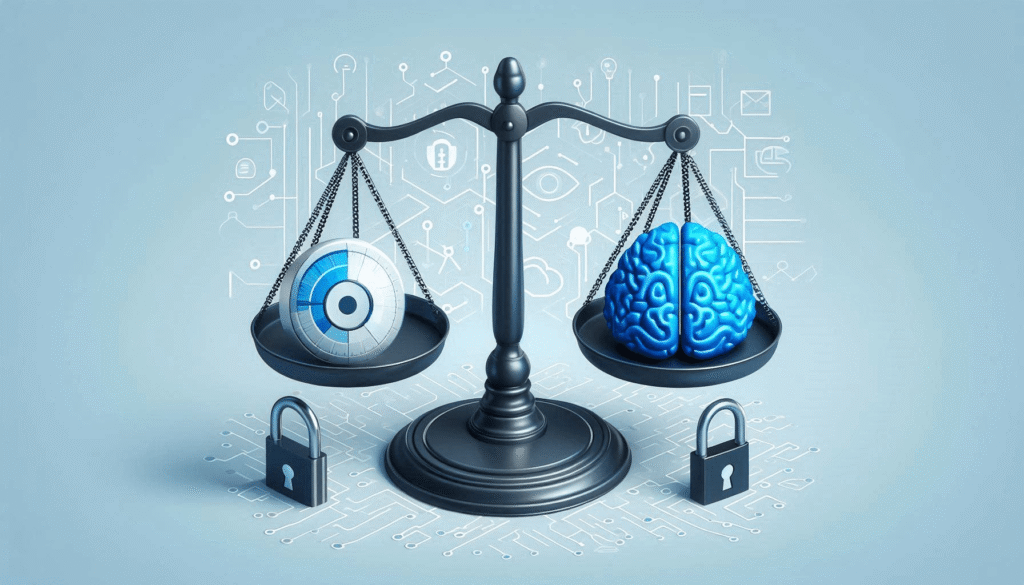
Responsible and Ethical Use of Artificial Intelligence
To maximize benefits and reduce risks, artificial intelligence must be developed and deployed responsibly. Ethical AI principles include transparency, fairness, accountability, privacy protection, and human-centered design.
Organizations should conduct regular audits of AI systems, involve diverse stakeholders in development processes, and ensure compliance with legal and ethical standards. Education and public awareness also play a critical role in promoting responsible AI adoption.
The Future of Artificial Intelligence
The future of artificial intelligence will be shaped by how societies choose to govern and integrate this powerful technology. Advances in explainable AI, privacy-preserving machine learning, and ethical frameworks offer promising pathways toward more trustworthy systems.
Collaboration between governments, industry, academia, and civil society will be essential. AI’s future should not be viewed solely as a technological challenge but as a social, economic, and ethical one.
Conclusion
Artificial Intelligence presents unprecedented opportunities to improve productivity, innovation, and quality of life. At the same time, it introduces complex challenges and significant risks that cannot be ignored. The true potential of AI lies not in unchecked automation but in responsible integration that enhances human capabilities while safeguarding fundamental values.
By understanding the opportunities, challenges, and risks of artificial intelligence, stakeholders can make informed decisions that promote sustainable and ethical technological progress.
Artificial Intelligence opportunities challenges and risks continue shaping digital transformation and future technological development worldwide.
Big Post 2